
Can You Reverse a Cavity?
Most of us grew up believing that once a cavity starts, a filling is inevitable. But modern, biologically guided dentistry tells a different story. When caught early enough, some cavities can actually be reversed through a natural process called remineralization. At Reclaim Integrative Dentistry & Implant Center, we focus on supporting the body’s innate ability to heal whenever possible, reserving restorative treatment for when it is truly necessary.
What Is Remineralization?
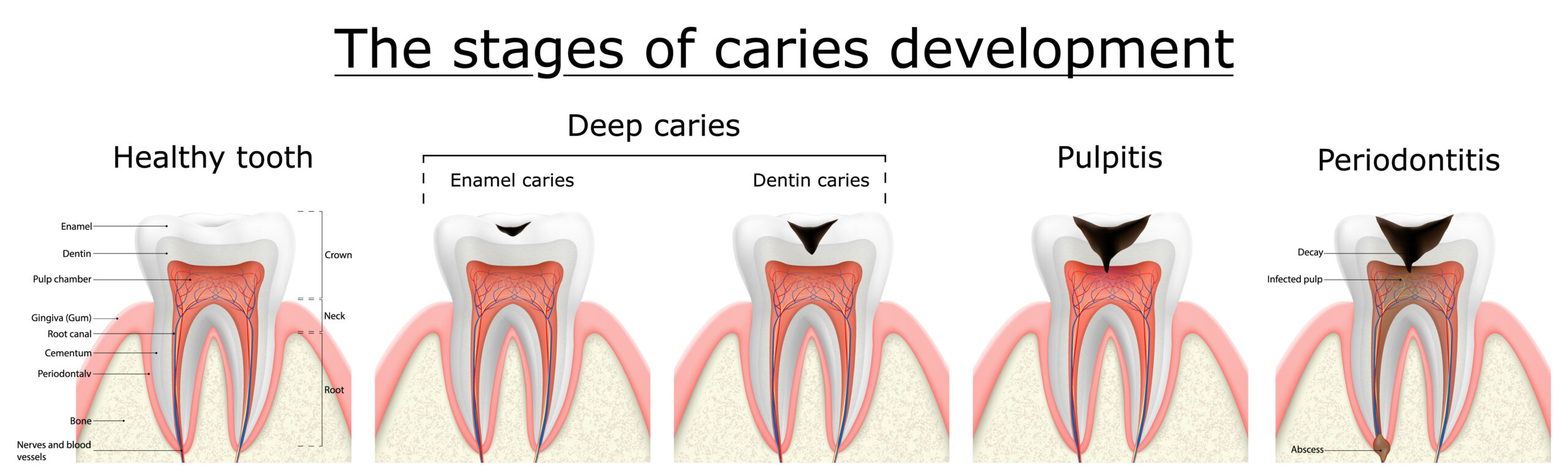
Your teeth are not static structures. Every day, they move through a dynamic cycle of demineralization and remineralization. Demineralization occurs when acids produced by oral bacteria—often fueled by sugars and acidic foods—pull essential minerals like calcium and phosphate out of the enamel. Remineralization is the natural repair phase, when saliva and available minerals help rebuild and strengthen enamel. A cavity begins to form when demineralization consistently outweighs remineralization. If decay is identified in its earliest stage—before a physical hole develops—there is often an opportunity to stop and even reverse the damage.
Which Cavities Can Be Reversed?
Remineralization is most effective for very early cavities, known as incipient lesions. These early changes may appear as chalky white spots, subtle surface texture changes, or areas of mineral loss that have not yet penetrated into the dentin. At this stage, the enamel surface is still intact, which makes repair possible. Once decay progresses deeper and causes structural breakdown, a filling is typically necessary. This is why early detection through regular exams is so important.
How to Support Tooth Remineralization
Creating the right environment in the mouth is key to supporting enamel repair. Nutrition plays a major role, as frequent sugar intake and refined carbohydrates feed acid-producing bacteria. In contrast, nutrient-dense, mineral-rich foods—such as leafy greens, high-quality dairy, nuts, seeds, bone broth, and seafood—provide the building blocks teeth need to rebuild. Reducing the frequency of snacking also allows saliva time to neutralize acids and restore balance between meals.
Saliva itself is one of the body’s most powerful protective tools. It buffers acids and delivers essential minerals back to enamel. Staying well hydrated, breathing through your nose rather than your mouth, and chewing sugar-free gum to stimulate saliva flow can all support this natural defense system.
Certain remineralizing products can further strengthen enamel and support repair. Ingredients like hydroxyapatite, calcium phosphate, and xylitol help reinforce tooth structure. While fluoride has long been used to strengthen enamel and remains helpful for many patients, alternatives such as hydroxyapatite are increasingly popular in biologically minded dentistry because they closely mimic the natural mineral structure of enamel.
A balanced oral microbiome is equally important. Not all bacteria are harmful, and overuse of harsh antiseptic mouthwashes can disrupt the protective balance in the mouth. Because the mouth is closely connected to the rest of the body, factors such as nutrition, breathing patterns, stress levels, sleep quality, grinding, acid reflux, and frequent acidic beverages all influence enamel strength and long-term tooth stability.
The Bottom Line
Teeth are living structures capable of repair when given the right conditions. When decay is caught early, remineralization can often stop or reverse the process before a filling is needed. Regular exams allow us to detect early changes and guide you toward preventive, tooth-preserving solutions that align with your overall health. If you’re wondering whether a specific area can be remineralized, we’re happy to evaluate it and help you build a personalized plan.